AI and employee wellbeing, reduce burnout, keep connection
By Tiffany David · Culture · November 3, 2026
Missed deadlines, rising churn, and Slack going quiet are not “growing pains,” they are warning lights. AI and employee wellbeing can align when you confront the load, protect trust, and make connection a management priority you can see and measure.
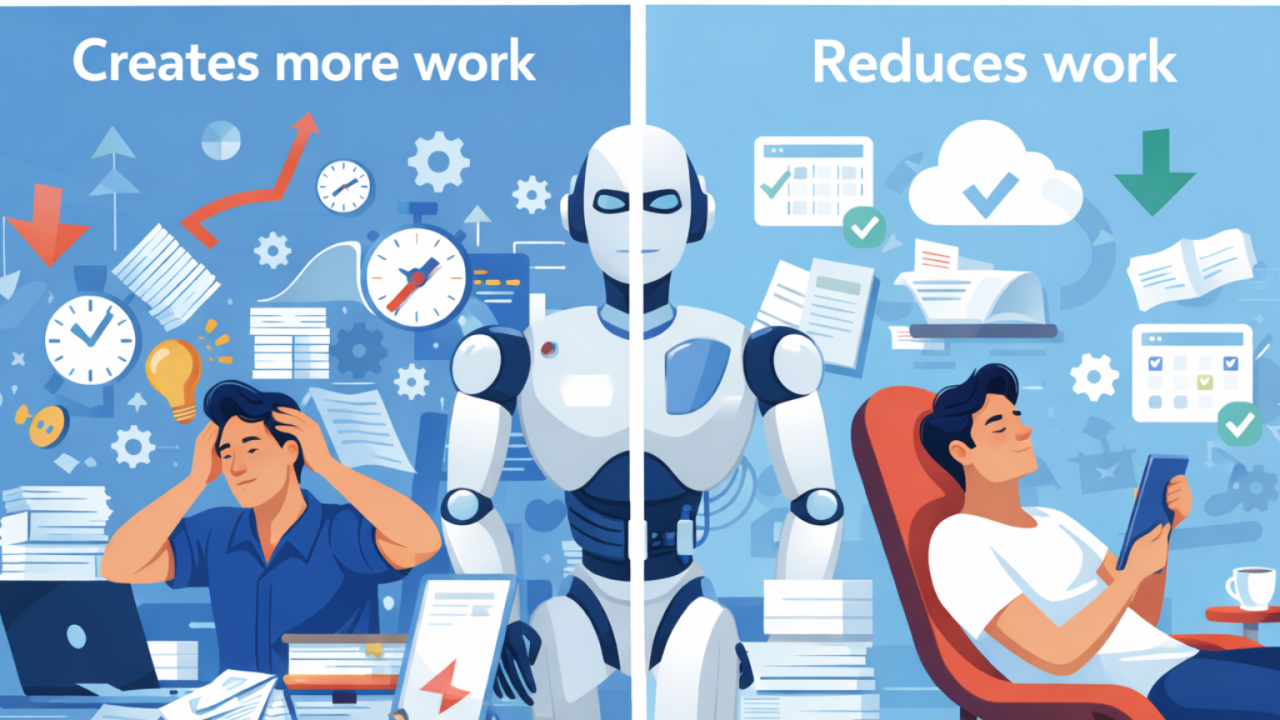
Use AI and employee wellbeing as a paired strategy wherever possible. Target overload with automation, keep human connection intentional, value your people, and set policy guardrails that protect confidentiality and fairness. This balance reduces workplace burnout, supports employee mental health, and prevents a slow slide into isolation that tanks performance and retention.
Diagnose Where AI Reduces Burnout, Then Protect Connection?
AI and employee wellbeing only improve together when you separate load reduction from relationship preservation in your operating model. Start by mapping which workflows actually create workplace burnout, then decide where human connection carries strategic value that AI cannot replace to sustain connection at work.
A strong sense of continued human contributions belong in your performance and workload discussions, not just in a tools channel. Run a one-week task inventory across roles, then flag repetitive, rules-based tasks for automation, and flag decision or trust-heavy moments for human handling. This clarifies what you automate and what you ritualize.
Draw on a Balanced Scorecard to align this design across four lenses, financial, customer, internal process, and learning and growth. Tie AI use to KPIs the team already tracks, cycle time, error rates, and rework, and tie connection to measurable signals, skip-levels held, mentorship matches, and cross-team reviews completed. The takeaway: what gets measured gets managed.
Direct answer: Start with a one-week audit, tag tasks as automate or human, then codify when people must talk live. That split protects output and trust fast.
Direct answer: Use a Balanced Scorecard to keep automation wins and connection signals visible on the same page leaders already use.
Direct answer: If a task shapes quality, safety, or trust, keep it human and let AI prepare drafts, summaries, or options only.
What should you evaluate in the first pass?
Be sure that you audit with precision rather than hunches. Target these items before you rewrite any process.
High-volume tasks with clear rules that drain focus and create after-hours spillover
Decision points that shape quality or safety where human judgment is non-negotiable
Moments that build trust, onboarding, code reviews, client debriefs, and retros
Data sensitivity zones with HIPAA or customer PII exposure risk
HIPAA applies when your team handles protected health information inside benefits, leave, or wellness programs, so keep those workflows far from public or consumer-grade AI tools. Under Title VII, document how you train models and make decisions to avoid bias in hiring, promotion, or discipline, because the EEOC will ask for explainability. What this means in practice: automate the busywork, not the relationship work.
How Do You Set Human-Centered AI Policies That People Trust?
We need policy clarity that protects people from legal and psychological harm. Employees will only use tools consistently when they feel safe, know the boundaries, and see leadership model the same rules.
When your handbook spells out purpose, data handling, approvals, and review points. People have confidence in the workplace. Place high-risk uses behind approvals, publish a redline list of prohibited inputs, and require human-in-the-loop review for any people decision. TPM’s Policies & Practices team hardwires these rules so the work actually lands.
Build your policy with named guardrails, not vague pledges. The PUMP Act protects nursing employees’ break time and space needs, so do not push AI-driven scheduling that erodes legally required breaks. The WARN Act governs mass layoff notice thresholds, so bar any auto-generated layoff lists without legal review and a documented business rationale. One more consideration: public AI models can leak sensitive content, so restrict confidential inputs and route sensitive work to vetted tools.
What belongs in a human-centered AI policy?
Your team's sense of wellbeing will rise when employees can see clear do’s, don’ts, and escalation routes. Include these components.
Approved AI use cases and prohibited inputs, customer data, PHI, trade secrets
Human review checkpoints for hiring, discipline, performance ratings, and pay
Bias testing cadence with documented sampling, remediation steps, and owner
Incident response process for data exposure, model drift, or harmful outputs
TPM has advised 200+ clients across 25+ industries since 2008, and every durable policy assigns ownership by role, not by committee. Tie each safeguard to a named approver and a cadence. Stepping back, policy is the floor, not the ceiling, so you still need leadership behaviors that show respect for boundaries.
Where Do You Draw The Line Between Automation And Connection?
Automate the toil, then protect the touchpoints that create meaning, belonging, and quality. If you automate everything that feels awkward, you will erase the very frictions where teams learn and bond.
Relationships suffer when leaders use chatbots to avoid hard conversations. Keep feedback, calibration, and conflict as human conversations, supported by AI prep, not replaced by it. Use AI to draft agendas, summarize themes, or surface data points, then sit with your people and talk about impact, expectations, and tradeoffs.
Title VII prohibits discrimination based on protected characteristics, so any AI that screens candidates or flags performance must include bias checks and a human override. The ADEA protects workers 40 and older, so watch for age-proxy variables in models that could skew outcomes. Worth noting here: Gen Z loneliness at work is real, and heavy AI routing can deepen that gap if you remove mentoring and peer review.
Which rituals should remain stubbornly human-led?
Culture improves and becomes stronger when you anchor certain practices in live interaction, even on remote teams. Keep these human.
Onboarding welcomes, job expectations, and first 30-day check-ins
Performance and development conversations with clear commitments
Team retros, incident postmortems, and cross-team design reviews
Mentorship and sponsorship matchmaking with monthly touchpoints
TPM’s Coaching & Training helps managers run these moments with confidence so the culture and engagement initiatives that stick do not rely on a tool tip. The broader point: you do not scale trust through automation, you scale it through consistent, human follow-through.
How Do You Measure Connection Without Creating Surveillance?
Ensure that you measure the right signals lightly and act on them quickly. Over-measurement feels creepy, under-measurement misses decay until it becomes attrition.
Employees need a simple, privacy-conscious connection scorecard. Track participation in peer reviews, mentorship attendance, skip-levels, and cross-functional demos, then correlate with cycle times, error rates, and rework. Use the Balanced Scorecard again to keep connection metrics tied to business outcomes, not vibes.
Guard privacy under HIPAA when wellness or benefits data enters the mix, and avoid scraping personal chats to infer mood. Instead, sample process artifacts that teams already produce. The reality: you can see connection through work quality and cadence without reading DMs or invading personal time.
What should your connection scorecard contain?
Go for a predictable, light-touch rhythm. Build a monthly view with these items.
Mentor-mentee meetings held and action items closed
Cross-team reviews completed before key launches
Manager 1:1s conducted on schedule with documented goals
Learning sessions delivered and tracked to skills gained
Keep survey questions few and behaviorally specific. Ask, “I can name two colleagues I would call for help,” not “I feel connected.” Tie one connection KPI to each team lead’s goals so ownership lives where it belongs. To put this into practice, review the scorecard in staff meetings and decide one change per month.
Design Workloads That Cut Burnout Without Killing Learning
Morale and engagement falter when leaders slash toil but also starve employees of stretch work and peer learning. You need load leveling with room for mastery, not a conveyor belt of shallow tasks.
Try to manage capacity with KPIs and plan buffers for deep work. Cap meeting hours, reserve focus blocks, and use AI to pre-digest inputs so humans spend time on synthesis, decision, and coaching. That combination reduces workplace burnout while protecting growth.
The Fair Labor Standards Act, FLSA, governs hours worked and overtime for non-exempt employees. If AI changes task pacing, timekeeping must keep up, including tracking after-hours prompts or reviews. Cal/OSHA requires a safe workplace in California, and chronic overwork raises safety risks, so document how you protect breaks, recovery, and reasonable shifts. In practice, publish a weekly workload target per role and stick to it.
Direct answer: Level capacity weekly, protect deep work blocks, and ensure timekeeping reflects new AI-assisted pacing to stay compliant and humane.
Set explicit caps on after-hours review of AI outputs to prevent hidden overtime
Publish criteria for what qualifies as deep work and defend it in the calendar
Rotate ownership of complex cases so growth and load stay balanced
Where do teams overcorrect with AI and create new risks?
AI and employee wellbeing both suffer when these pitfalls creep in. Coach managers to watch for them.
Replacing peer code or design reviews with automated scoring alone
Letting AI draft all communication, which flattens voice and trust
Routing conflict through bots instead of hosting a live resolution
Eliminating junior stretch tasks, which slows skill growth and morale
Address skill decay directly. Keep one hands-on build or analysis per person each sprint so learning compounding continues. Tie that rule to your Workforce Empowerment plan so succession and performance management reinforce it.
How Should Managers Coach In An AI-Heavy Workflow?
Always, and in all ways, coach the human, not the tool. Set expectations for when to ask a person versus a model, and make that decision tree explicit in onboarding.
Everything will improve when managers teach judgment. Ask, what decision would you make without AI. What signal would change your mind. Then use AI to test assumptions, not to set direction. This protects confidence while keeping output fast and accurate.
Under Title VII and the ADEA, managers must avoid biased feedback patterns. Require 360-degree review inputs or calibrated peer evidence before ratings move. Document rationale and retain artifacts, because if a claim arises, you will need a clear story. One more consideration: Gen Z loneliness at work often eases when managers run short, structured pairings for problem solving, not just status updates.
What performance cadence keeps connection alive?
AI and employee wellbeing sustain when conversations are short, regular, and purposeful. Use this cadence and stick to it.
Weekly 1:1s focused on goals, blockers, and recognition
Monthly growth sessions with skill targets and learning plans
Quarterly team retros that name what to start, stop, and continue
Ad hoc office hours for quick judgment calls and peer help
TPM’s managers often say they feel immediate lift when they shift 1:1s from status to decisions and development. That is why we built Beyond the Basics, to give practical scripts and frameworks leaders can use the same day. The pattern here is clear: leaders set the tone, HR equips them.
How Do You Address Isolation Head-On Without Forcing Office Days?
AI and employee wellbeing require connection by design, not mandated commutes that ignore role needs. Build rituals that work across time zones and personality types.
For example, teams share drafts earlier and review together live. Use AI to create the first cut, then ask two colleagues to react in a short session. That practice creates lightweight mentorship and raises quality without adding endless meetings.
Do not ignore legal basics as you add rituals. The Pregnant Workers Fairness Act, PWFA, requires reasonable accommodation for known limitations related to pregnancy, childbirth, or related conditions, so schedule choices and travel expectations need flexibility. The WARN Act still governs large reductions in force, so never use an AI-generated attrition forecast as a proxy for notice planning. The takeaway: connection plans must coexist with your compliance posture, not compete with it.
Which connection rituals scale without bloat?
Embed these practices to become muscle memory across teams.
Rotating co-working blocks with cameras optional and shared goals
Demo days with short live Q and A and written follow-ups
Mentor office hours where newer hires queue questions
Win reviews that credit collaboration, not just solo speed
One of our clients cut meetings by 30 percent using AI summaries, then added 45-minute live demos every two weeks, which restored connection and improved release quality. Taken together, small consistent rituals beat quarterly offsites at preserving trust.
Frequently Asked Questions About AI and employee wellbeing
How does AI reduce burnout without hurting culture?
When you automate repetitive tasks and keep human-led moments for feedback, learning, and decisions, there is alignment. Pair automation with clear policies, light connection metrics, and manager coaching so efficiency rises while relationships stay strong.
What risks should HR flag before large-scale AI adoption?
Focus on AI adoption risks in bias, data exposure, and explainability. Require human review for hiring and performance, restrict sensitive inputs, and document rationale under Title VII and ADEA. Add wellness boundaries so speed gains do not push after-hours work.
How do we support younger employees who feel isolated?
Gen Z loneliness at work often drops when you add structured peer reviews, mentorship matches, and office hours. Keep live collaboration for learning and conflict, and use AI for prep and summaries only. Managers must model quick, frequent touchpoints.
Which laws shape safe AI use in HR decisions?
Title VII and the ADEA require non-discriminatory decisions with explainability. The WARN Act covers big reductions in force, and HIPAA protects health data in benefits and wellness. Document safeguards, log human overrides, and keep legal review close to the workflow.
Partner With TPM To Build This Right
You can operationalize AI and employee wellbeing in weeks, not quarters, if you commit to assess, strategize, implement, sustain. TPM’s dedicated People Practitioners have advised 200+ organizations since 2008, and we design human-centered AI policies, coaching, and scorecards that survive real work, not just procurement demos. For HR leaders planning next steps, fold HR strategies for AI into your roadmap so adoption lifts productivity without eroding trust.
Book a complimentary Strategy Audit with Total People Management. In 30 minutes, a TPM practitioner maps your current AI landscape, identifies legal and cultural risks, and builds the highest-leverage next steps, no obligation and no proposal pressure. We can also align this with your Culture & Employee Experience roadmap so the plan sticks across teams. Finally, if you need fractional HR to own the rollout, we can be that team and build it to last.
If this resonated, I invite you to book a complimentary Strategy Audit with me. In 30 minutes, we will tackle your top priority, and you will leave with a written summary regardless of next steps. Ready to move? Schedule your Strategy Audit, or explore how TPM’s Free HR Compliance Audit and HR Compliance Checklist support a clean, confident launch.